
Process Cooling for Oil and Chemical Processing

Process cooling for oil and chemical processing is critical to maintaining reaction stability, operational safety and temperature control in continuous production environments. From chemical batching and refining processes to heat exchangers and recirculation systems, stable cooling protects product quality, equipment integrity and regulatory compliance.

Evolution Cooling provides industrial chiller supply, system optimisation and structured preventative maintenance for oil and chemical processing facilities across the UK.

Discuss Your Process Cooling Requirements
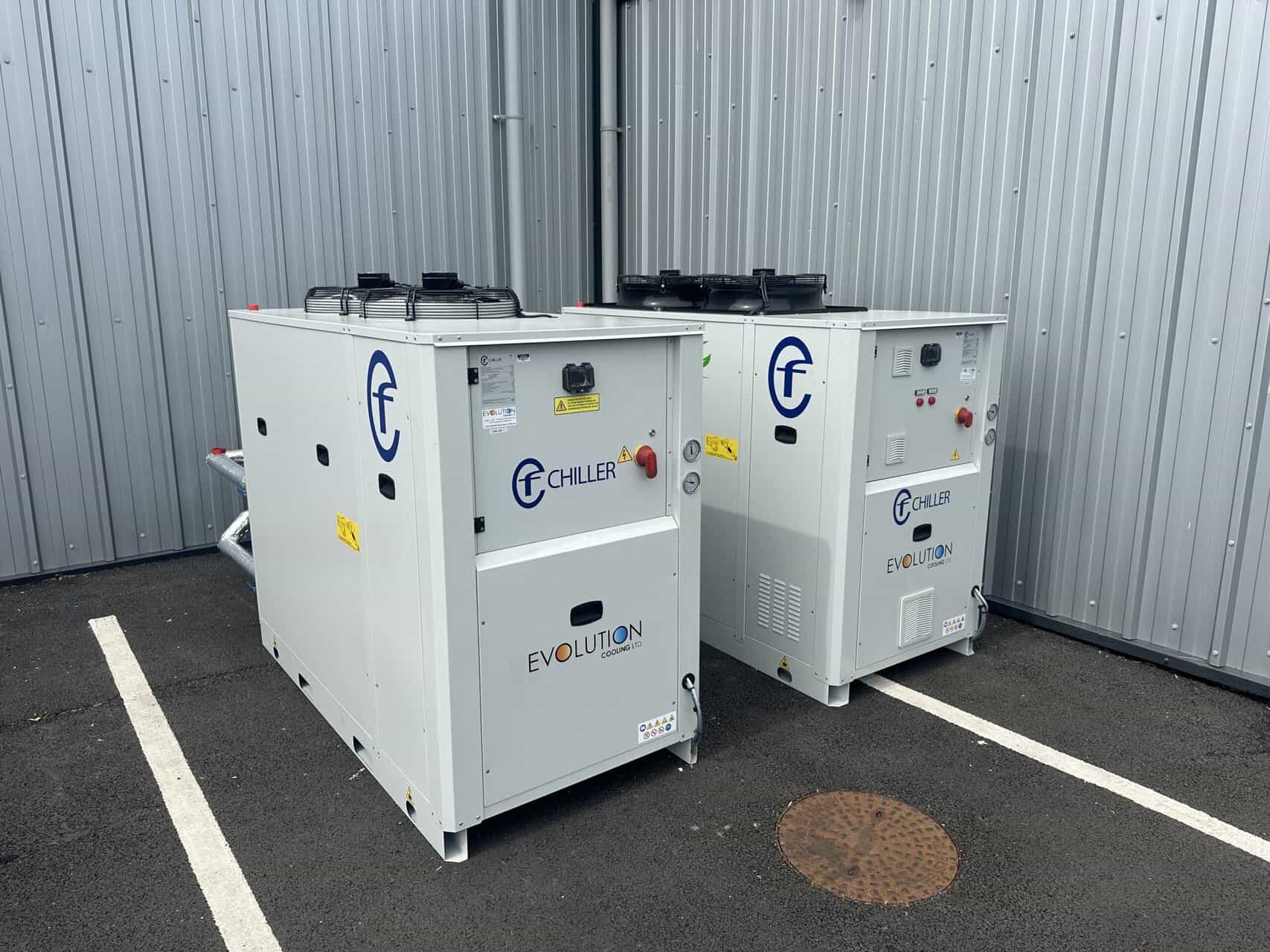
Industrial chiller system supporting oil, gas and chemical process cooling

Where Process Cooling Is Used in Oil and Chemical Processing

Cooling systems are commonly integrated into:

Chemical reaction vessels

Heat exchanger circuits

Solvent recovery systems

Distillation processes

Refining and blending operations

Storage and transfer systems

Stable temperature management supports product preservation and environmental consistency.

Why Process Cooling for Oil and Chemical Processing Is Critical

Temperature instability in chemical environments can result in:

Reaction rate deviation

Product inconsistency

Equipment overheating

Increased safety risk

Reduced system efficiency

In continuous production environments, cooling reliability is directly linked to safety, compliance and production stability.

Cooling Challenges in Chemical Environments

Oil and chemical processing facilities often operate with:

• High thermal load
• Continuous duty equipment
• Corrosive operating conditions
• Ageing cooling infrastructure
• Incremental plant expansion

Without structured preventative planning, cooling systems can become a hidden operational vulnerability.

process cooling for oil and chemical processing system

Typical faults include:

Low pressure trips under sustained load

High pressure alarms caused by condenser fouling

Temperature instability in reaction vessels

Compressor short cycling

Reduced capacity during peak ambient conditions

Without proactive oversight, cooling system performance decline can impact both production and safety.

Industrial Chiller Supply and Structured Support

We provide:

Industrial chiller specification and installation

Planned preventative maintenance programmes

Defined emergency breakdown response

System performance monitoring

Long-term lifecycle planning

We support oil and chemical processing facilities with structured industrial chiller service and maintenance, defined emergency breakdown response and engineered industrial chiller supply aligned to production demand.

Learn more about our:

Industrial chiller service and maintenance

24-7 emergency breakdown support

Industrial chiller sales and installation

Our approach supports stable bath temperature control, consistent surface finish quality and long-term equipment reliability.

Request a Process Cooling Review

Typical Applications We Support

Chemical manufacturing facilities

Refining operations

Blending and batching plants

Solvent recovery systems

Industrial heat exchanger circuits

Each system is assessed against thermal load, environmental conditions and expansion planning.

Why Oil and Chemical Facilities Choose Evolution Cooling

Oil and chemical processing environments demand stable, dependable cooling systems capable of operating continuously under high thermal and environmental stress.

We provide:

• Engineered cooling system specification
• Structured preventative maintenance planning
• Defined breakdown response
• Clear service reporting
• Long-term asset protection

Our focus is long-term cooling reliability – protecting reaction stability, supporting operational safety and maintaining continuous production performance.

Discuss Your Oil and Chemical Processing Cooling Requirements

Process cooling for oil and chemical processing must remain stable under continuous thermal load and demanding operating conditions. Whether you require structured preventative maintenance, defined emergency breakdown response or industrial chiller upgrades aligned to plant expansion, our engineering team can assess your system and provide clear, practical guidance.v

Speak to Our Engineering Team


    svg+xml;charset=utf

    Reliable process cooling for oil and chemical processing protects reaction stability and plant safety under sustained thermal load.

    Frequently Asked Questions – Oil, Gas and Chemical Processing

    Why is process cooling critical in oil and chemical processing?

    Process cooling for oil and chemical processing is essential to maintain reaction stability, control temperature-sensitive processes and protect equipment operating under continuous thermal load.

    What temperature stability is required in chemical reaction vessels?

    Temperature requirements vary by process, but consistent thermal control is necessary to prevent reaction rate deviation, product inconsistency and safety risk.

    How do I know if my processing chiller is undersized?

    Signs include difficulty maintaining set temperature under sustained load, continuous compressor operation or instability during peak production periods.

    Can cooling system failure affect plant safety?

    Yes. In chemical environments, temperature instability can influence reaction control and increase operational risk, making cooling reliability a critical safeguard.

    How often should chillers in chemical facilities be serviced?

    Facilities operating continuous or high-load processes typically require at least bi-annual servicing, with additional inspection depending on system duty and environmental conditions.

    Can you support plant expansion or process upgrades?

    Yes. We assess current thermal load, projected production increases and plant expansion plans to ensure cooling capacity remains aligned with operational demand.

    Do you provide emergency breakdown response?

    Yes. We provide defined breakdown response for oil and chemical processing facilities where cooling instability can affect production continuity and compliance.